
There are few things more frustrating than waking up with a comfortable stomach, only to look and feel six months pregnant by the middle of the afternoon. If you have Irritable Bowel Syndrome, navigating the daily reality of IBS and bloating can feel like an exhausting, uphill battle. It dictates what you wear, drains your energy, and often turns meals into a source of anxiety rather than enjoyment.
You are not imagining the discomfort, and you are certainly not alone. Bloating is one of the most common and bothersome symptoms reported by individuals with IBS. But why does your body react this way to seemingly healthy foods or even just a glass of water?
In this comprehensive guide, we are going to unpack the science behind the dreaded “IBS belly.” We will explore what is actually happening in your gut, the most common everyday triggers, and most importantly, proven, science-backed strategies on how to stop IBS bloating so you can finally find lasting relief.
Why Do IBS and Bloating Happen? (Featured Snippet)
Why does IBS cause bloating?
IBS and bloating occur due to a combination of excess gas production and visceral hypersensitivity. When you eat poorly absorbed carbohydrates (FODMAPs), gut bacteria ferment them, producing excess gas. In an IBS-affected gut, highly sensitive nerves overreact to normal amounts of this gas, causing intense pain and visible bloating.
The Science: Understanding the “IBS Belly”
To truly address your symptoms, it helps to understand the mechanics of your digestive tract. When we talk about IBS and bloating, we are usually dealing with a “perfect storm” of three specific biological factors working against you.
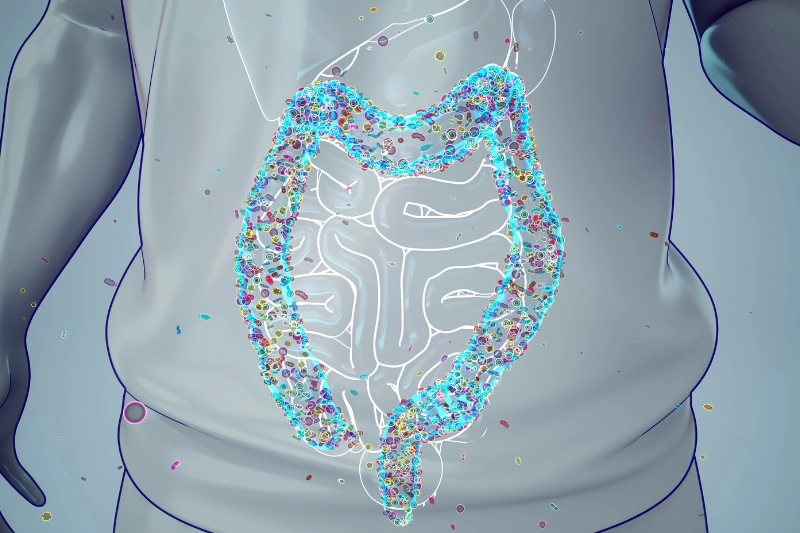
1. Visceral Hypersensitivity (A Highly Sensitive Gut)
Imagine the nerves in your gut have their volume turned all the way up. In a person without IBS, the normal process of digesting food and producing small amounts of gas goes entirely unnoticed. However, people with IBS suffer from something called visceral hypersensitivity. This means the nerves in your digestive tract are hyper-reactive. Even a normal, tiny amount of gas stretching the intestinal wall triggers pain signals to the brain, leading to the sensation of severe bloating.
2. Altered Gut Motility
Gut motility refers to how food, liquid, and waste move through your digestive system. In an IBS-affected gut, this movement is often uncoordinated. If motility is too slow (IBS-C), stool and gas get trapped, leading to a build-up that physically distends your stomach. If it is too fast (IBS-D), the rapid contractions can still trap pockets of air, causing painful spasms and a swollen abdomen.
3. Bacterial Fermentation
Your large intestine is home to trillions of bacteria. When you consume certain types of carbohydrates that your small intestine cannot fully digest, they travel down to the large intestine where these bacteria feast on them. This process is called fermentation, and its natural byproduct is gas (hydrogen and methane). For people with IBS, this fermentation happens rapidly and produces more gas than the gut can easily manage.
Common Triggers for Severe Bloating
Understanding how your body works is the first step, but identifying your everyday triggers is where the real healing begins. While everyone’s body is different, several common culprits frequently bridge the gap between IBS and bloating.
- FODMAP-Rich Foods: These are the fermentable carbohydrates mentioned earlier. Foods like garlic, onions, apples, wheat, and certain dairy products are notorious for causing rapid gas production.
- Swallowing Excess Air (Aerophagia): Eating too quickly, chewing gum, drinking through a straw, or consuming carbonated beverages introduces extra air directly into your digestive tract.
- Stress and Anxiety: The gut-brain axis is a powerful two-way street. When you are stressed, your body enters “fight or flight” mode, which diverts blood flow away from your digestive system, slowing down motility and causing gas to become trapped.
- Large, Heavy Meals: Overloading your digestive system with a massive meal at the end of the day forces your gut to work overtime, increasing the likelihood of painful distension.
To pinpoint exactly which foods are causing your discomfort, keeping a symptom journal and utilizing a comprehensive Low FODMAP food database can be incredibly revealing.
Is the Low FODMAP Diet Good for Bloating?

If you are researching ways to calm your IBS belly, you have likely come across the Low FODMAP diet. But is it actually effective for bloating? The answer is a resounding yes.
Developed by researchers in Australia, the low FODMAP diet is considered a first-line therapy for IBS symptom management. According to extensive research published by Monash University, up to 75% of people with IBS experience significant relief from bloating, pain, and altered bowel habits when following this protocol.
The diet works by temporarily removing the specific short-chain carbohydrates (FODMAPs) that draw excess water into the gut and ferment rapidly. By cutting out these highly fermentable foods, you effectively starve the gas-producing bacteria, allowing your highly sensitive gut nerves to rest and your abdomen to deflate.
It is important to remember that this diet is an elimination and reintroduction protocol, not a lifelong restriction. You can learn more about how to navigate this process in our guide to the 3 phases of the low FODMAP diet.
5 Proven Strategies on How to Stop IBS Bloating
While the low FODMAP diet is a powerful tool, it is just one piece of the puzzle. Managing IBS and bloating requires a holistic approach. Here are five actionable strategies you can start implementing today.
1. Space Out Your Meals
Instead of eating three large, heavy meals, try eating four to five smaller meals throughout the day. This reduces the mechanical load on your digestive system. Furthermore, spacing your meals allows your Migrating Motor Complex (MMC)—the sweeping wave that cleans out your stomach and intestines—to function properly, pushing trapped gas through your system.
2. Utilize Peppermint Oil
Peppermint oil is a natural antispasmodic. It contains L-menthol, which blocks calcium channels in the smooth muscles of the gut. This helps relax the intestinal walls, relieving the painful spasms that trap gas. A review published in the National Institutes of Health (NIH) supports the use of enteric-coated peppermint oil capsules as a safe and effective treatment for IBS symptoms, particularly bloating.
3. Apply Gentle Heat and Movement
When you are actively bloated, your first instinct might be to curl up in a ball. However, gentle movement is one of the best remedies for trapped gas. A 15-minute walk after meals can significantly speed up the transit time of gas through your intestines. Pair this with a warm heating pad on your abdomen to relax the tense muscles and soothe hypersensitive nerves.
4. Practice Mindful Eating
Digestion begins in the brain, not the stomach. If you eat while scrolling through stressful emails or rushing in the car, your digestive system is compromised from the start. Take three deep, slow breaths before taking your first bite. Chew your food thoroughly until it is the consistency of applesauce. This mechanical breakdown in the mouth means your gut has to do much less work (and produce much less gas) later on.
5. Try Gentle Gut-Directed Relaxation
Because the gut and brain are intimately connected, calming your mind directly calms your intestines. Practices like gut-directed hypnotherapy, diaphragmatic breathing (belly breathing), and restorative yoga can lower your baseline stress levels, reducing the visceral hypersensitivity that makes bloating feel so painful.
Conclusion
Dealing with IBS and bloating can drain the joy out of daily life, but you do not have to accept the “IBS belly” as your permanent reality. By understanding the underlying science—like visceral hypersensitivity and bacterial fermentation—you can start making targeted, effective changes.
Whether it is adopting the low FODMAP diet, practicing mindful eating, or managing stress to support your gut-brain axis, there are proven paths to relief. It takes patience and a bit of detective work to find the right combination of strategies for your unique body, but a calm, comfortable stomach is entirely within your reach.
Frequently Asked Questions (FAQ)
What is the fastest way to relieve IBS bloating?
For quick relief, try going for a brisk 15-minute walk to encourage gut motility. You can also drink a cup of warm peppermint or ginger tea, apply a heating pad directly to your abdomen, and practice gentle yoga poses like the “Wind-Relieving Pose” (Apanasana) to help trapped gas pass.
Does drinking water help with IBS bloating?
Yes, staying hydrated is crucial, especially if your bloating is accompanied by constipation (IBS-C). Water helps soften stool and keeps the digestive tract moving smoothly. However, avoid gulping large amounts of water at once, and skip carbonated water, which introduces excess air into the gut.
Are probiotics good for IBS and bloating?
Probiotics can be helpful for some people with IBS, but they are not a one-size-fits-all cure. Certain strains (like Bifidobacterium infantis) have shown promise in clinical trials for reducing bloating. However, some probiotics can temporarily worsen gas. Always consult your doctor before starting a new supplement.
Why do I wake up with a flat stomach but get bloated by night?
This is incredibly common in IBS. Overnight, your digestive system rests and clears out gas. As you eat and drink throughout the day, food ferments, gas accumulates, and gravity pulls things downward. By evening, the buildup of gas and stool combined with weakened abdominal muscles leads to visible distension.